
EDDM · Shared-Cost Community Postcards · Colorado
Make Sure They Know You Before They Need You.
Put your business in thousands of local mailboxes with professionally designed community postcards. Longshot Branding brings reputable, noncompeting Colorado businesses together to share the cost of direct-mail advertising, reach carefully selected households, and build lasting local recognition.
The opportunity
Advertising is everywhere. The mailbox deserves a place in the mix.
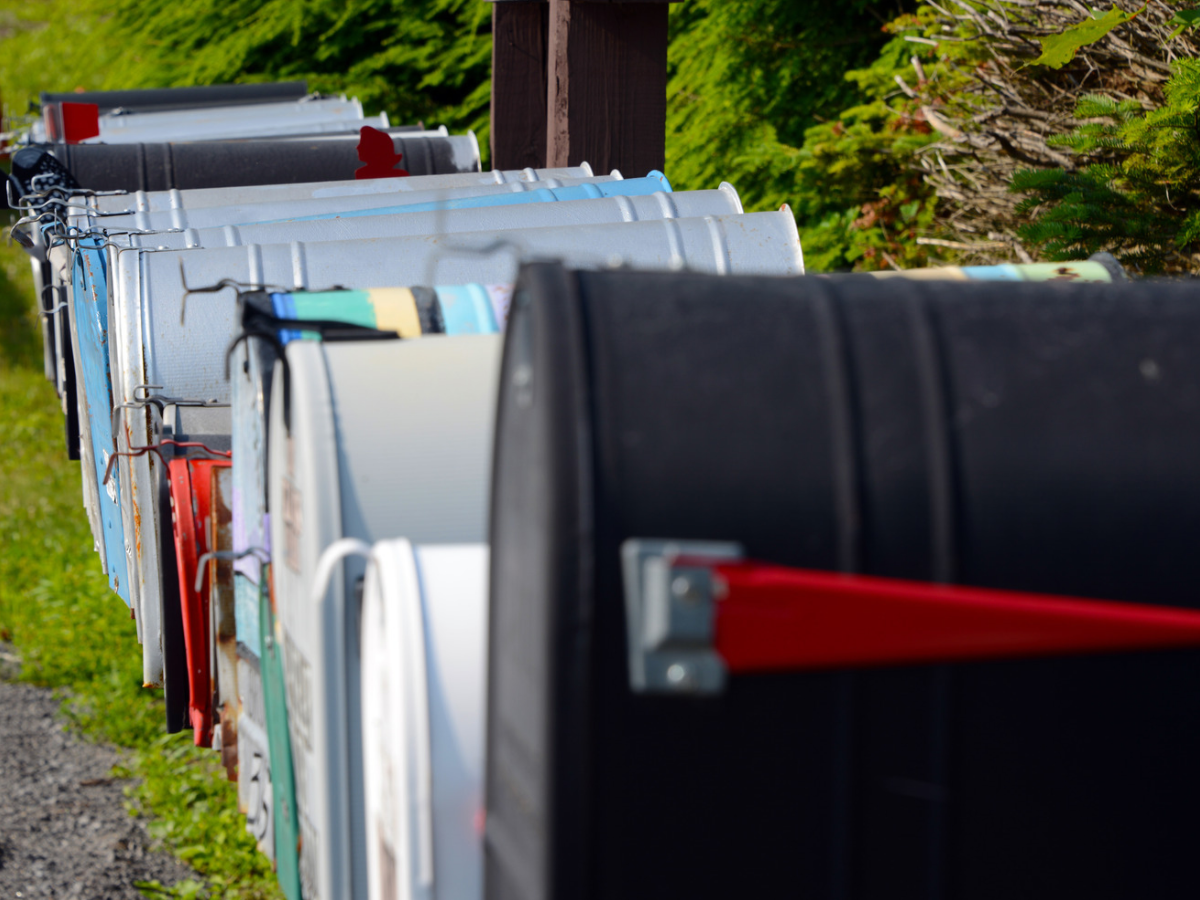
We're not here to tell you that print beats digital. Each medium does something different. Direct mail gives a household a tangible way to notice you, keeps your name at the top of mind, and lets them find you when the need arises.
- Consumers are bombarded with advertising across social feeds, search results, websites, videos, and apps. All competing for the same attention.
- Ad fatigue and ad blindness sets in. People now just scroll past repetitive content, and isolated online impressions struggle to build local familiarity.
- A physical postcard arrives where people live and stays in the home. It's the kind of exposure that can complement your digital marketing, and bring you additional awareness.
We won't claim social ads are all click fraud or that print is immune to it. A delivered physical piece simply offers a different kind of exposure, and trackable QR codes add a measurement layer on top.
What EDDM means
Every Door Direct Mail, in plain English.
Every Door Direct Mail (EDDM) is a USPS mailing option that reaches every residential (and optionally business) address on a chosen carrier route, with no mailing list required. Longshot Branding handles the route research, design, printing coordination, and mailing so you don't have to manage the postal process yourself.
How USPS carrier routes work
A carrier route is the daily delivery path assigned to an individual mail carrier. Each route covers a defined set of addresses in a neighborhood. By selecting routes, you target neighborhoods rather than individual households, a practical way to reach a whole community without buying or building a mailing list.
EDDM vs. individually addressed direct mail
Individually addressed (targeted) mail goes to specific names and addresses, and EDDM just goes to every door on a route. Targeted mail works when you have a specific demographic in mind, but EDDM is more useful when you want broad neighborhood coverage at a lower per-piece cost and without paying for a mailing list. For most local service businesses trying to build familiarity across a community, EDDM is the simpler, more cost-effective choice.
Household counts & delivery eligibility
Delivery counts come from USPS data for each route. Some addresses are not eligible for EDDM delivery; the USPS determines eligibility. The figures in our route reports are estimates for the neighborhoods represented by those routes, not guarantees about any particular household.
Print, postage, preparation & mailing
EDDM mail pieces must meet USPS specifications for size, paper, and preparation. We coordinate the print specifications, postage, bundling, and paperwork so the mailing meets USPS requirements and moves smoothly through the system.
OUR FLAGSHIP PRODUCT
One oversized postcard. A whole community of local businesses.
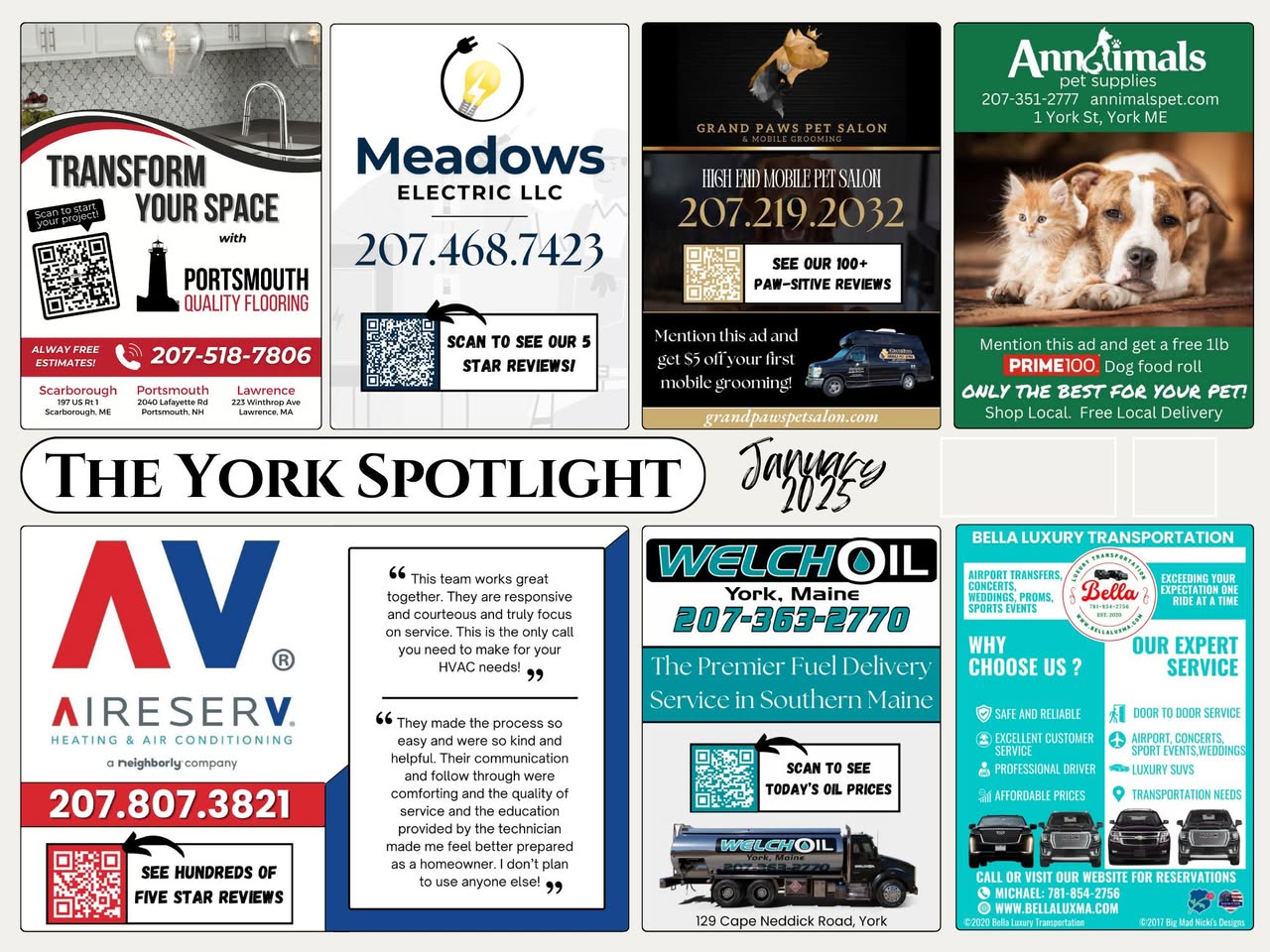
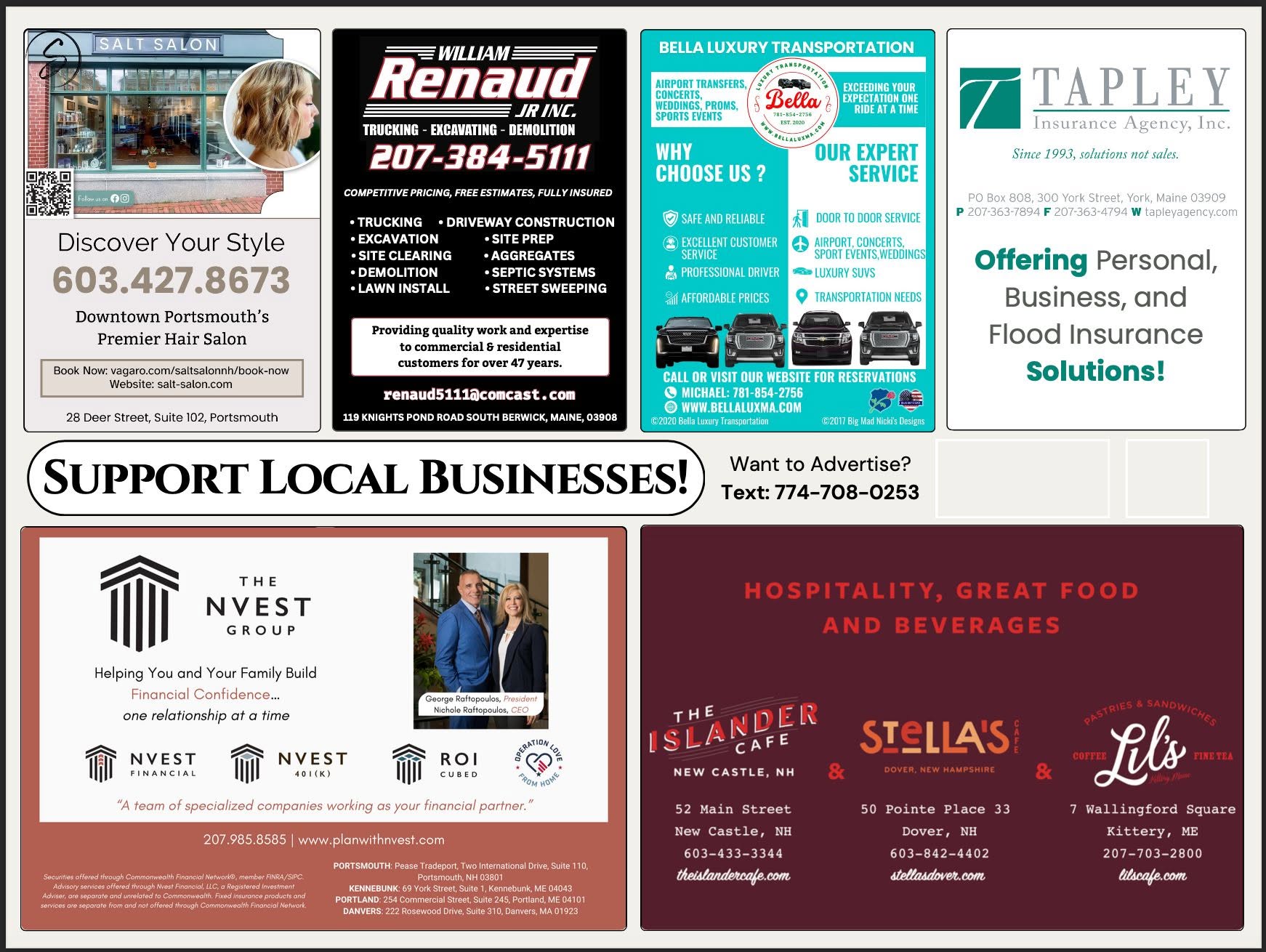
A single, professionally designed 9×12 postcard brings together up to 16 noncompeting local businesses. Each advertiser gets dedicated space while the participating businesses share the cost of printing and postage.
One business per category when exclusivity is part of the campaign agreement.
Carefully selected, noncompeting advertising categories.
A professionally designed, cohesive presentation.
A useful collection of local services and offers.
A format intended to be saved, photographed, shared, or revisited.
Campaign-specific distribution areas and individual advertiser QR codes when included.
Why local direct mail
Tangible, targeted, and shared.
Direct mail works differently than a scrollable feed. Here's what a Community Card gives your business.
Physical visibility
A tangible piece of advertising arrives where people live rather than appearing only within a digital feed.
Local relevance
Choose mailing routes based on the communities and households your business wants to reach.
Shared advertising costs
Participating businesses share campaign production and postage rather than each funding a separate oversized mailing.
Repeat familiarity
A recurring campaign can help build recognition over time.
Measurable engagement
Individual QR codes and campaign landing pages can help measure scans and other available interactions.
Professional creative
Get a professionally designed advertisement without managing the full direct-mail process yourself.
Local business discovery
Introduce households to a curated group of useful local businesses in one place.
Additional local promotion
Eligible advertisers may receive added visibility through our social channels, community groups, and local directory, subject to availability.
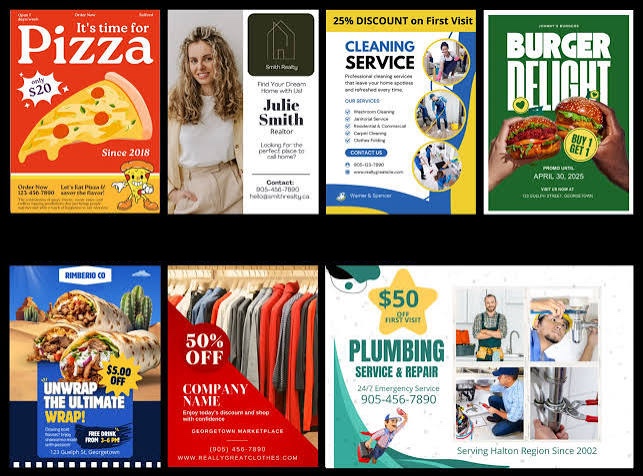
Save · Snap · Share
More than one reason to stay on the fridge.
When one postcard introduces a household to a range of useful local businesses, it has more than one reason to stay around. A restaurant recommendation today might become a contractor referral six months from now. A business that isn't needed immediately can still become familiar before the need arises.
The multi-advertiser format creates a reason to keep the card, but saving, photographing, sharing, and future purchasing are intended benefits, not guaranteed behavior.
How it works
A simple, four-step path to the mailbox.
A great postcard campaign depends on great creative, correct print specifications, and clean mailing logistics. Longshot Branding coordinates all of it. All you need to do is approve the artwork and confirm that the information is correct.
Explore the Routes
We show you the carrier routes we're considering, how many households they reach, and the research behind our selections. Review the route reports and decide whether the target area makes sense for your business.
Choose Your Commitment
Choose an available advertising term, one month, three months, six months, or one year. Provide your business name, logo, preferred offer, and contact details. Duration, pricing, and dates are subject to the available schedule and written agreement.
Approve Your Advertisement
We design your ad, configure the agreed tracking setup, and send you a proof. Review everything carefully and approve your advertisement before it goes to print.
We Handle the Campaign
Once approved, we coordinate printing, postage, mailing, and distribution, along with the reporting included in your package.
Your job? Be ready when your next customer reaches out.
Response volumes and timing vary. Advertisers should continue their normal marketing activities and can't expect every household to respond.
Ready to reach every door?
Tell us your service area and we'll show you the routes, the household counts, and what a campaign would look like.
Route intelligence
We don't guess at routes. We research them.
We evaluate carrier-route delivery counts and neighborhood characteristics to choose mailing areas that align with advertiser objectives. Here's a look at our Montrose, Colorado mailing-area report, generated October 14, 2026.
Illustrative sample estimates for the neighborhoods represented by these routes, shown to demonstrate the route report format. Figures are not guarantees about any particular household. Live delivery counts and sourced demographics replace these when a campaign is booked. These Montrose figures are not representative of every Colorado community.
| Carrier route | Homes | Median income |
|---|---|---|
| 81401-C010 | 681 | $86.3K |
| 81401-R003 | 592 | $79.6K |
| 81401-R004 | 789 | $77.5K |
| 81401-R006 | 581 | $95.6K |
| 81401-R011 | 946 | $100K |
| 81401-R012 | 909 | $83.1K |
| Total | 4,498 | – |
Beyond the postcard
A local promotional ecosystem.
Longshot Branding aims to give participating businesses opportunities beyond the printed advertisement, where each activity is genuinely available.
QR tracking & reporting
We'll review campaign performance using the QR code on your ad. We'll track & report scan data, which we can then use to provide guidance for future development.
Social cross-promotion
Additional visibility through our social channels and participating Colorado community groups, where permitted.
Community groups
We currently participate in more than 40 Colorado local groups. Frequency, eligibility, and group rules determine the nature of promotional support.
Local business directory
Inclusion in an expanding directory of local service-based businesses, a central place for households to discover participating businesses.
We don't imply that every advertiser will receive a post in all 40-plus groups. Make frequency, eligibility, and the nature of promotional support clear when you inquire.
The measurement
What every scan tells you,
and what it doesn't
What you can measure
Available measurement options
- Total scans.
- Scan dates and trends.
- Campaign-specific QR activity.
- Comparisons across campaigns or editions where the data is available.
The honest limits
What a scan doesn't prove
- A scan is not proof of a qualified lead or purchase.
- Some customers will call or visit without scanning.
- Tracking capabilities depend on the selected QR-code platform.
- Privacy, consent, and applicable tracking requirements must be respected.
Sample data shown for illustration only, not live campaign results.
Measure what's working, edition after edition.
Every community card edition includes a unique QR code on your ad, so you can track scans and watch engagement build over time. As households see your business again and again, awareness grows, and when the need finally arrives, you're the one they reach out to first. The QR data gives both of us a clear, honest read on how each campaign is performing, so we can refine the next one together.
ROI expectations
What kind of return can direct mail deliver?
Direct mail results vary by industry, offer, frequency, and market. The real question to ask is: How many bookings, contracts, or customers do you need to make your money back? If you think you can reach that number by mailing to 5,000 households in your service area, with consistent and repeated exposure, a Community Card is right for you. One mailing builds awareness, but repeated editions build familiarity, and familiarity is what makes a household reach for you when the need finally arrives. While we can't guarantee a specific response rate or revenue, we can guarantee that thousands of people will see your ad.
Home services
1–3% response rate; strong ROI on high-ticket jobs
Home-service businesses tend to benefit most from direct mail because the lifetime value of a single customer is high. One HVAC install, roof replacement, or major plumbing job can return many times the cost of a campaign. Recurring editions help keep your name on the fridge so that when a water heater fails or a storm rolls through, you're the business the household remembers.
- Typical acquisition cost
- $200–$400 per new customer
- Typical customer value
- $1,500–$8,000+ per job
- Dollar-figure ROI
- A $500 ad spend landing one $5,000 HVAC or roofing job ≈ 10× return
- Referral potential
- 30–50% of new work comes from referrals, one happy household tells neighbors
Home services live and die by word of mouth. A single satisfied customer in a tight neighborhood can generate two or three more calls over the following year, neighbors talk to neighbors about who fixed their roof, cleared their drain, or installed their furnace. That makes every household you reach a potential referral node, not just a one-time job.
Brick & mortar
2–5% response rate with a compelling offer
Brick-and-mortar retailers see some of the highest direct-mail response rates when the offer is clear and time-sensitive. A coupon, seasonal sale preview, or limited-time discount gives households a reason to visit now rather than later. Because the card is shared with noncompeting businesses, a retailer can sit alongside a plumber and a salon, each driving a different kind of visit from the same household.
- Typical acquisition cost
- $15–$50 per new customer
- Typical customer value
- $100–$500 per customer (with repeat visits)
- Dollar-figure ROI
- A $500 ad spend bringing 40 new shoppers at $50 avg spend ≈ $2,000 revenue (4× return)
- Referral potential
- 20–35% of new visitors say a neighbor or friend sent them
Brick-and-mortar discovery is social by nature. A great find, a helpful local shop, or a favorite salon gets mentioned at the next block party, school event, or team practice. Households that save your card become informal ambassadors, the kind of repeat visitor who brings a friend on the next visit and mentions your name in the neighborhood group chat.
Hospitality & lodging
1–4% response rate; ROI measured in bookings
Hospitality and lodging businesses, including restaurants, measure ROI in bookings, covers, and nights sold, not single transactions. Direct mail works well for seasonal campaigns: a spring getaway offer, a summer event package, a fall color tour, or a dining-out promotion aimed at households within driving distance. Repeat exposure across editions helps a property or restaurant stay top of mind when travelers plan their next trip or a family picks their next night out.
- Typical acquisition cost
- $50–$150 per booking
- Typical customer value
- $300–$2,000+ per stay or event
- Dollar-figure ROI
- A $500 ad spend bringing 10 bookings at $500 avg ≈ $5,000 revenue (10× return)
- Referral potential
- 25–40% of bookings trace back to a personal recommendation
Travel, dining, and lodging recommendations travel through social circles faster than almost any other category. A household that enjoys a stay or a great dinner tells their visiting relatives, recommends it for a weekend getaway, and tags it in photos. One well-placed card on a fridge can surface in a conversation about where to put up out-of-town guests or where to celebrate an anniversary, turning a single mailing into a slow-burn referral engine.
Professional services
0.5–2% response rate; ROI measured in retained clients
Professional services see lower raw response rates but much higher value per client. A single retained accounting, legal, or dental relationship can deliver years of revenue. For these businesses, direct mail is less about immediate response and more about building the familiarity and trust that make a household choose you when the need finally arises, often months or years after the card arrives.
- Typical acquisition cost
- $300–$1,000 per new client
- Typical customer value
- $3,000–$25,000+ over a retained relationship
- Dollar-figure ROI
- A $500 ad spend landing one $10,000 retained client ≈ 20× return
- Referral potential
- 40–60% of new clients come through a personal or professional referral
Trust-based services are the most referral-dependent category of all. People rarely hire an attorney, switch accountants, or choose a dentist without asking someone they know first. A postcard that lives on a fridge for months becomes a quiet credential, when a neighbor asks 'do you know a good…', your name is already in the room. That's why a single retained client sourced from a Community Card often brings two or three more over the life of the relationship.
Offer ideas
Example offers that drive response, and what they could return.
The right offer is what turns a delivered postcard into a call. Here are proven offer types for each category, with the kind of return a single slot can produce. Use these as a starting point, your actual results depend on your offer, creative, routes, and market.
Home services
Free in-home estimate on a new HVAC system
One $6,000 install from a $500 slot ≈ 12× return
$89 spring AC tune-up (reg. $149)
Tune-up leads to a system replacement 1 in 5 times
Free roof inspection after hail season
One approved insurance roof job ≈ $8,000+ revenue
Drain cleaning special, $99 any single line
Repeat service + water heater upsell over 2–3 years
Brick & mortar
20% off your first purchase (new customers)
First visit converts to repeat shopper ~60% of the time
Seasonal sale, early access for cardholders
Drives foot traffic during a key sales window
Free gift with any purchase over $75
Higher ticket per visit + return visits from happy shoppers
Loyalty punch card, spend $50 five times, get $25 off
Locks in repeat visits over the season
Hospitality & lodging
Weekend getaway package, 2 nights + breakfast for $299
10 bookings × $299 = $2,990 from a $500 slot
Stay 2 nights, get the 3rd free (off-season)
Fills low-occupancy nights at minimal cost
Event venue, book by [date] for 10% off
One wedding or corporate event = $3,000–$10,000+
Dinner for two, appetizer, two entrées & dessert for $75
Couples-night tables convert to repeat guests ~55% of the time
Professional services
Free 30-minute initial consultation
1 retained client from a $500 slot ≈ $10,000+ over the relationship
New patient exam + cleaning, $99 (reg. $250)
New patient converts to ongoing dental care ~70% of the time
Free tax review for new clients this season
One annual filing client = recurring revenue for years
Estate planning starter package, flat fee
Single engagement often leads to trust & ongoing legal work
Offer examples and ROI figures are illustrative, not guarantees. A strong offer paired with the right routes and repeat exposure is what tends to drive the best response. We'll help you shape an offer that fits your business and your budget.
Don't let a maybe go cold
Retargeting unbooked customers through future promotions
A household that picks up your card but doesn't call right away isn't a lost lead. It's a future one. Recurring editions keep you in front of the same routes so the maybe turns into a call when the need actually shows up. It's the same math as your break-even number: one mailing rarely gets you there, but a few editions in front of the same households will.
Recurring editions
Mailing the same routes across multiple editions keeps your name in front of the same households so familiarity compounds over time.
Same-route retargeting
Households that saw but didn't act on an earlier card get a fresh reason to reach out, a new offer, a seasonal reminder, or an updated service.
Never lose a maybe
Paired with the automated agent, a returning inquiry that finally calls gets answered in seconds instead of rolling to voicemail again.
Retargeting through recurring editions is a campaign-planning strategy, not a tracking guarantee. We can't identify which specific households saw an earlier card without a connected tracking system, but we can keep the same routes in front of the same households across editions so recognition keeps building.
The referral multiplier
Direct mail does something digital ads can't easily do: it puts your name in a physical home, where it can sit for weeks or months. That lingering presence matters because local business runs on referrals, one household mentioning your name to the next. A single mailed postcard can start a chain that no ad platform can fully track.
A plumber who gets one call from a Community Card might fix a water heater that month, recommend you to two neighbors over the following year, and get mentioned when a relative buys a house in the spring. None of those later calls will show up in your QR analytics, but they all trace back to a postcard that landed in the right mailbox.
How to read these numbers
A response rate is the share of households that take a measurable action, a QR scan, a phone call, a visit, a coupon redemption. It is not the same as a sale. Some customers will call or visit without scanning a QR code, so true reach is often higher than tracked response suggests.
Customer acquisition cost vs. customer value
Customer acquisition cost (CAC) is what it typically costs to win one new customer through direct mail. Customer value is what that customer is worth to your business, a single transaction for a restaurant, a high-ticket job for a home service, or a multi-year relationship for a professional service. When customer value is many times your acquisition cost, even a modest response rate can deliver a strong return.
What drives a higher return
A strong, specific offer; clean, professional creative; the right route for your service area; and repeat exposure across editions all tend to improve results. A single mailing builds awareness; a recurring campaign builds familiarity, and familiarity is what makes a household choose you when the need finally shows up.
Want to talk through what a realistic campaign looks like for your business? Request a quote and we'll walk you through routes, costs, and expectations for your category.
Make Sure They Know You Before They Need You.
Explore the routes, see the available advertising opportunities, and find out whether the next Longshot Branding Community Card is right for your business.